
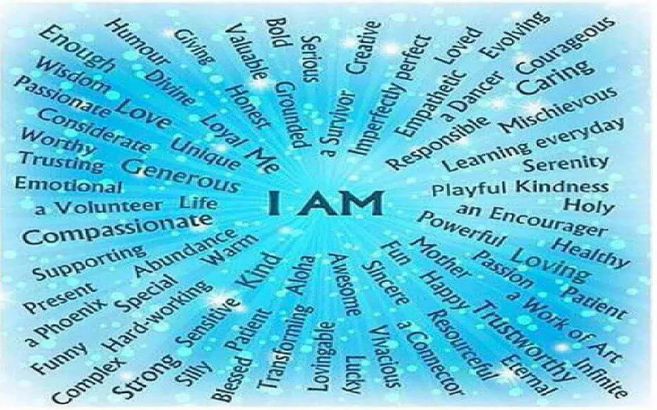
What is an Affirmation, why and where would you use them, who are they for? What is this Hype and would this be beneficial for you?
Understanding Affirmations
Affirmations are short, positive statements repeated to oneself to support a positive mindset and inspire change. While they may seem like wishful thinking, science confirms their efficacy through the concept of neuroplasticity—the brain’s ability to reorganize and adapt. The mind does not differentiate between imagination and reality, making confident affirmations a tool for shaping one’s beliefs and actions.
How Affirmations Work
Self-affirmation theory posits that individuals are driven to maintain a positive view of themselves. When this self-view is threatened, it can lead to psychological discomfort or distress. Positive self-affirmations serve as a tool to protect and reinforce this positive self-perception by encouraging reflection on self-worth, core values, and personal strengths.
Types of Affirmations
Exploring the Diversity of Positive Statements
Affirmations come in various forms, each tailored to address specific needs and to foster growth, positivity, and resilience. Below are some common types of affirmations and their purposes:
1. Self-Worth Affirmations
These affirmations focus on building and reinforcing self-esteem by reminding individuals of their inherent value and unique qualities. They are especially important for those struggling with self-doubt or negative self-perception.
Examples:
- I am enough just as I am.
- I deserve love and respect.
2. Gratitude Affirmations
Gratitude affirmations help cultivate an appreciation for the present moment, the people, and the experiences that bring joy and fulfillment. They create a sense of abundance and contentment.
Examples:
- I am grateful for the opportunities today will bring.
- I appreciate the kindness in my life.
3. Success and Goal-Oriented Affirmations
These affirmations are designed to boost motivation and focus on achieving personal or professional goals. They encourage persistence and a positive outlook on progress.
Examples:
- I am capable of achieving my dreams.
- Each step I take brings me closer to success.
4. Health and Wellness Affirmations
Health affirmations nurture both physical and mental well-being. They encourage individuals to care for their bodies and minds while fostering a sense of vitality and balance.
Examples:
- I honor my body by making healthy choices.
- My mind is calm, and my body is at peace.
5. Resilience Affirmations
These affirmations help individuals overcome challenges by reinforcing their inner strength and encouraging perseverance. They are invaluable during difficult times.
Examples:
- I have the strength to navigate through life’s challenges.
- Every setback is an opportunity for growth.
6. Love and Relationship Affirmations
Relationship affirmations focus on building stronger connections with others and cultivating love, kindness, and understanding in interactions.
Examples:
- I communicate openly and with compassion.
- I attract healthy and positive relationships into my life.
7. Affirmations for Marginalized Groups
These affirmations are particularly designed to address the unique struggles of individuals facing systemic discrimination or social challenges. They empower and validate their experiences, fostering resilience and pride.Affirmations can particularly significant for women, especially those at the intersection of marginalized identities, such as trans women of color. These individuals often face compounded discrimination, violence, and systemic challenges like misogyny, transmisogyny, and sexism. Abusive behaviors and societal injustices can undermine self-esteem, but affirmations offer a way to counteract these threats, reminding women of their value and empowering them to seek support or take action.
Incorporating these affirmations into your daily routine can help foster a positive mindset and enhance overall well-being. Consider repeating them in the morning or writing them down to reinforce their impact.
Examples:
- My identity is valid, and I am proud of who I am.
- I deserve to take up space and be heard.
- I am grateful for the past experiences that help me understand myself
8. Spiritual and Purpose-Driven Affirmations
Spiritual affirmations connect individuals to their sense of purpose, faith, or higher self. They encourage alignment with one’s values and a deeper sense of meaning.
Examples:
I am aligned with my higher purpose.
I trust the journey of life and its unfolding.
20 Positive Affirmations for Daily Practice
- I am valued exactly as I am.
- I am capable of accomplishing anything I put my mind to.
- I uplift the people around me.
- I can create all I truly desire.
- I deserve abundance in all parts of my life.
- My love and compassion create harmony in my life.
- I am grateful for the changing of the seasons and the changes in my life.
- I take time each day to nurture my spirit and find serenity within.
- I deserve to be happy.
- I am in tune with my innermost feelings.
- My negative thoughts and feelings are transformed into love.
- I give thanks for the life I am creating.
- I embrace the new possibilities life brings me.
- I’m grateful for the past experiences that helped expand my understanding of myself.
- I am comfortable with who I am.
- I open my mind and heart to the world around me.
- Health, wealth, and harmony are entering my life.
- I move through life with confidence.
- I trust myself, my instincts, and the love in my heart.
- I am confident in the path I’m walking.
Incorporating these affirmations into your routine can help nurture your confidence, inspire gratitude, and create a more positive outlook on life.
How Practicing Affirmations Can Help Improve Self-Esteem
Positive daily affirmations align with the principles of self-affirmation theory, which suggests that individuals are motivated to maintain a favorable self-identity. When people see themselves as capable and valuable, they are more likely to act in ways that reinforce this positive perception.
Conversely, negative self-perceptions can lead to behaviors that affirm those limiting beliefs. Affirmations help counter this by producing a positive self-image in the brain, encouraging individuals to make constructive changes that boost self-esteem.
 ABC&PS
What are your thoughts about this?