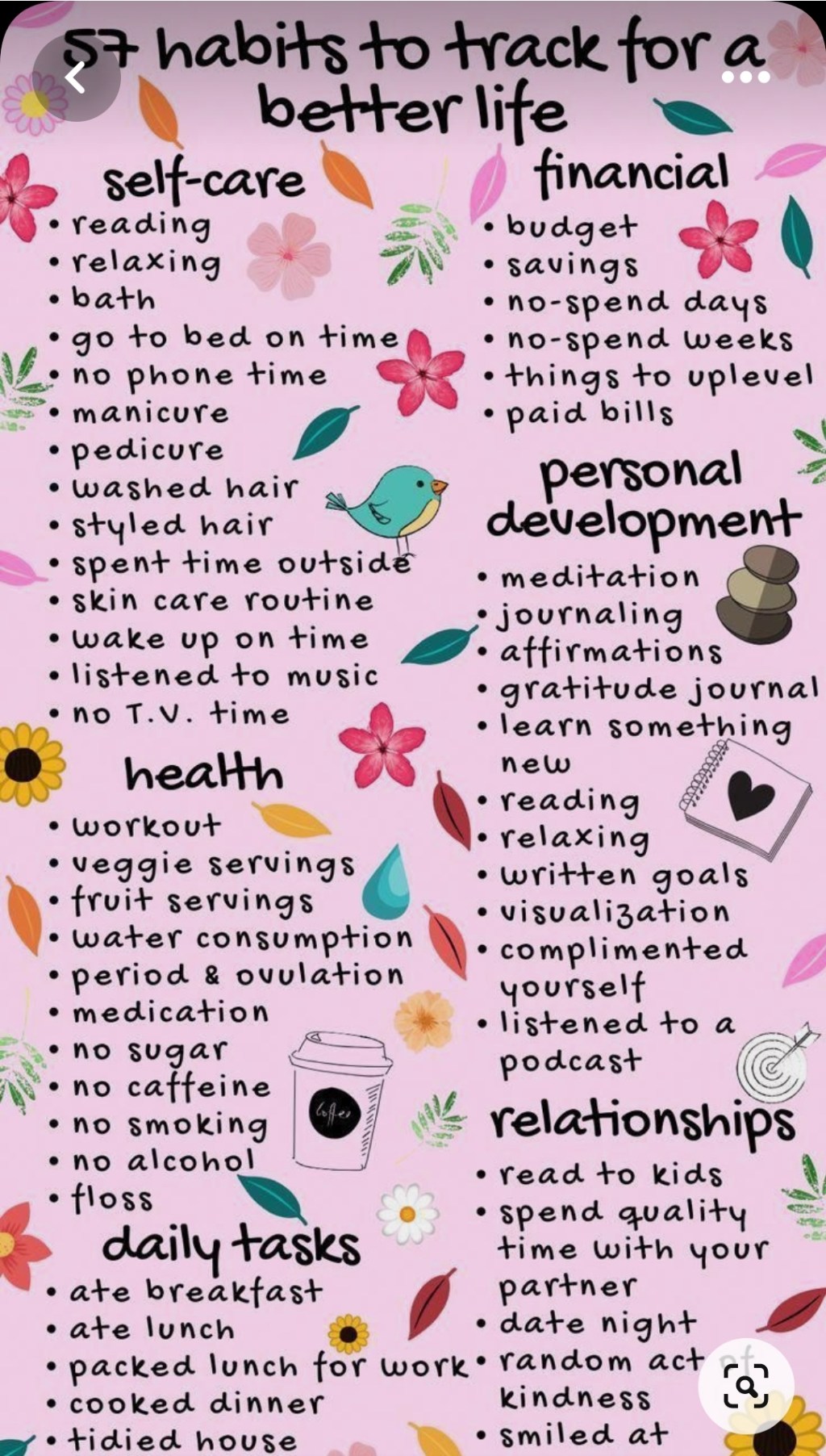
Automated behaviors — making the coffee, reading the news, playing a game on a phone, checking email — account for nearly half of the average person’s daily activities, according to research by Wendy Wood, a psychology professor at the University of Southern California and author of Good Habits, Bad Habits. “We do the same thing in the same context almost every day,” she says. “And we do it without thinking about it.” Intentionally or not, you’ve spent the past year or so creating new, often unhealthy habits.
3×3
3×3 is a way to start habits and keeping them easy to remember. Starting new goals/ habits can be overwhelming or hard to keep if we try doing to many at once so picking three new habits is the first step. The next three is how many times how many day, or how many items you start with for example if drinking more water is your goal, then you would pick that as goal one, and pick drinking 3 bottles daily. This makes the amounts easy, say the goal number 2 is to exercise, you would say exercise at least 3 days a week, a good example of a third goal would be make sure I ear three meals a day. Giving you your 3×3 small goals. Something else to remember is to make your goal specific, so they are easy to define such as 3 24 oz bottles of water or 30 minutes of exercise 3 time weekly. If they are vague it’s much hard to decide if you have made your goal, and it’s really not good for making habits if they are not specific enough to create patterns
Examples of healthy habits
Boost Your Brain Health
1. Make weekly exercise dates. You can easily talk yourself out of a workout, but it’s more difficult to do when you have a standing commitment to work out with a friend. Overall, aim for 150-plus minutes of weekly moderate-intensity aerobic exercise. Exercisers are 45 percent less likely to develop Alzheimer’s disease, the Alzheimer’s Drug Discovery Foundation reports.
2. Eat a daily salad. Just one serving of leafy greens a day was associated with slower cognitive decline, a 2017 study by Rush University Medical Center showed.
3. Have a super berry dessert. Dark-colored berries like blueberries and blackberries contain compounds that fight inflammation and help protect your brain. One cup of blueberries consumed daily for six months can also lower your risk of cardiovascular disease by 12 to 15 percent, according to 2019 research in the American Journal of Clinical Nutrition. Try berries and plain yogurt as your go-to after-dinner treat.
4. Develop a green tea habit. Especially if your favorite drink is soda. Researchers have found that people who consumed sweetened beverages were more likely to develop Alzheimer’s, while some studies suggest green tea might promote cognitive functions.
5. Join a book club. Those who engage their mind most often through intellectual activities such as playing games or reading were 29 percent less likely to develop dementia during a five-year follow-up period, reports a 2018 Hong Kong study of adults 65 and older that was published in JAMA Psychiatry.
6. Once a week, try something new. Listen to new music, learn some words in another language or sign up for a lecture. Lifelong learning is associated with improved brain health, and staying mentally active is linked to delayed onset of cognitive decline.
Go to Sleep Easier
7. Make your bed each morning. According to a survey by the National Sleep Foundation, those who make their bed nearly every day were more likely to report getting a good night’s sleep.
8. Change your bedsheets every Sunday. Allergens can disrupt sleep. To cut down on buildup, wash your sheets weekly. Also replace pillows at least every two years and mattresses every 10, both for hygiene and for comfort (they can break down over time).
9. Face your alarm clock toward the wall. And place your cellphone facedown. Artificial light disrupts sleep. Instead of night-lights, keep a flashlight next to your bed to use when needed.
10. Turn the fan on when the lights go off. Or invest in a sound machine. Snoring partners, traffic and other ambient noise can cause you to wake during the night and experience more daytime sleepiness and fatigue. A source of white noise, like a fan, can help modulate that problem.
11. Enjoy some chamomile tea at bedtime. In a randomized, double-blind study from the University of Michigan, those taking a chamomile extract twice a day zonked out 16 minutes faster, on average.
Shake Off Stress
10. Organize one thing each day—your handbag, a bedside table, a drawer. You’ll feel one chore is behind you, which is helpful in feeling less pressured in general.
11. Take a daily “do not disturb” break. Whether at your desk, in your kitchen or on a deck outside, close your eyes and do not open them for anyone. Even five minutes will feel wonderful!
12. Have a go-to ritual that you look forward to when the anxiety is too much. Do something simple like calling a friend, having a cup of tea, playing a song on the piano or sneaking away to read a few pages of a novel.
13. Enjoy a daily “play snack.” Remember what you used to enjoy doing as a kid, and go do that. Play with a yo-yo or Rubik’s Cube. Go outside and skip rope or swing a golf club. Doodle, build a tower with toy building blocks, fold origami, draw with colored markers. Inject fun in five- to 10-minute chunks during your day as a way to let your brain relax.
Clean Up Your Diet
14. Bribe yourself into eating vegetables. Find a salad dressing or dip you love; you’ll be more inclined to eat veggies dipped in it.
15. Store fruit at front of the fridge. When you bring fruit home, immediately wash and put in a bowl at the front of the top shelf rather than in a drawer. The minute you open the fridge, it will prompt you to eat some.
16. Portion out nuts. In a study that appeared in BMC Medicine in 2013 of adults ages 55 to 80 at high cardiovascular risk, those who ate more than three servings of nuts per week were 39 percent less likely to die of any cause over the next five years of the study. The problem is that people often overindulge and eat them straight out of a large bag or can. Prepack them into individual serving sizes in zip-close bags so you have just one serving, not five.
17. Decorate healthfully. If chocolates are on the table, you’ll eat them. Hide the less-healthy snacks and put fruit and nuts on the table within reach.
18. Snack before you shop. Going to the grocery store on an empty stomach — even if it’s a digital store — can lead to unhealthy impulse buys. Have a bite to eat, and while you’re eating, write out a shopping list and stick to it.
19. Drink your fiber. Throw some fruit into the blender right before it goes bad. Try blending a banana, an orange and spinach; throw in some walnuts for even more fiber and omega-3 fatty acids.
Get Back In Shape
20. “Commute” even if you work from home. For many of us, COVID means no commuting to and from the office — which means no moving, either. Use that gift of time for a walk, bike ride or jog. In a study, older women who averaged 4,400 steps per day (compared with just 2,700 steps) were 41 percent less likely to die during a follow-up of 4.3 years.
21. Set a “stretch timer.” Use the timer to prompt you to stand up and get your blood flowing and muscles moving once every hour. Your brain needs oxygen to be productive — so if that’s how you can persuade yourself to get up and move, then do so!
22. Take your phone calls standing or walking. They’re called “mobile phones” for a reason. Each time yours rings, stand up or go for a walk. It’s an easy way to decrease the amount of time you are sedentary.
Set Boundaries With Technology
23. Turn off all phone notifications. Americans are already checking their phones an average of 96 times a day, according to research from 2019, so you’re not going to miss anything.
24. Establish no-phone zones, starting with no phones at dinner and in the bedroom. One review of 290 studies by a Swedish university researcher that was published in 2018 found an association between frequent mobile phone use and depressive symptoms and sleep problems.
25. When you wake up, don’t reach for your phone. Do something you love instead: Journal, stretch, make coffee or read one book chapter. Get an alarm clock so you won’t need to rely on your phone to wake up.
26. Go screen-free one day a week. “My family and I have turned off all screens for one full day each week for 11 years, and we spend the day doing things we love. It’s our favorite day of the week,” says author Tiffany Shlain.
Improve Your Relationships
27. Do the dishwasher boogie. Pick a chore you both hate, and turn it into a nightly dance party. Dancing together in the kitchen or anywhere in your house will remind you of how much fun you both are.
28. Make eye contact over dinner. Hold each other’s gaze for 60 seconds. It will help you find the grace, beauty or soul in each other’s eyes!
29. Give Friday night thanks. Share three things you’re grateful for every Friday night over dinner (or any other night of the week). This is a terrific habit that will give you a new perspective on your family members.
Conquer Loneliness
30. Keep your list of loved ones close. Write three to five names on a Post-it note and stick it on your fridge or near the computer, or post their photos. Typically, we’re happier if we feel deeply connected to a few relationships we want to prioritize rather than trying to stay in touch with everyone.
31. And make short, regular check-ins to loved ones. A study showed that even a few 10-minute phone calls each week can reduce loneliness by 20 percent.
32. Call one long-lost friend every week. We often talk ourselves out of reaching out, thinking we’d be interrupting them or they won’t welcome hearing from us. But being the one who initiates contact can be a great gift — and another way to cure loneliness. In a study published in 2020 in the journal Heart, male and female cardiac patients who reported feeling lonely were two and three times more likely to die, respectively, a year after their hospital discharge.
33. Give little gifts. A handwritten card, flowers, an act of service or a texted photo are examples of how we can bring joy to both ourselves and those who may be lonely or anxious.
Become More Resilient
34. Spend 20 minutes among the trees. That’s exactly how much time you need in nature to reduce your level of stress hormones significantly, according to a 2019 study. Additional time reduces it more, but not dramatically, researchers found.
35. Ask what you can do to help. Make a habit of asking others if you can be of service. The more connected you are with your community, the more support you will receive during difficult times.
36. Keep a “no regrets checklist.” Write down a list of all the things you’ve had to put off over the years because of work or raising a family. Then make a timeline for how you’ll revisit these goals. Regret is largely avoidable with a little reflection and mindful focus.
37. Journal a little each day. Keeping a daily gratitude journal in which you can count your blessings will help you keep perspective when hard times hit. At the end of each day, write down three or four things you feel proud of, positive traits you learned about yourself or positive actions you took toward nurturing yourself that day.
Take Care of Your Skin
38. Apply SPF 30 sunscreen every day. Even on rainy winter days. Don’t forget areas such as your ears, the tops of your feet and the back of your neck. Once you begin a skin protection routine, it allows your skin to start repairing itself.
39. Use a sunblocking lip balm every day. Lipstick protects women against skin cancer of the lip, which is why it’s seen far more commonly in men. If you don’t wear lipstick, use an SPF lip balm.
40. Be a morning (or evening) person. The risk of skin damage is highest between 10 a.m. and 4 p.m. Scheduling your outdoor time at 9 a.m. or 5 p.m. instead of noon can significantly lessen skin damage over time.
41. Take time to appreciate your partner’s skin. And while doing so, look out for changes in his or her moles. People often notice skin cancer because of a spot that doesn’t look quite right. Be familiar with your own moles and get a screening if you notice suspicious changes in shape, texture, color or size.
Cut Back On Your Vices
42. Put your TV in a time-out. Be mindful of exactly what content you consume -— and choose a specific show or film to watch. When it’s over, turn the TV off and go for a walk or take a bath to give your mind a break. With the end of the pandemic should come the end of long TV binges.
43. Make online shopping less impulse driven. Delete your credit card information from websites on which you regularly shop. Having to grab your wallet to pay for an impulse purchase adds an extra step that gives you more time to consider whether the item is actually necessary.
Clean Up Your Environment
44. Store leftovers in glass containers instead of plastic. Plastics often contain harmful chemicals like BPA and phthalates that can seep into food and may negatively impact your health.
45. Opt for fragrance-free products. If your household cleaner or air freshener says “fragrance,” you might want to toss it. If the ingredients are not disclosed, the product likely contains harmful chemicals that are carcinogenic. Also, to improve the overall health of your air, invest in a HEPA filter.
46. Bring plants into your home. Plants not only look beautiful, but many of them, such as bamboo palm and English ivy, can improve air quality.
47. Choose organic fruits and vegetables when possible. By opting for organic produce, you’re reducing your exposure to pesticides. Organic foods may also be more nutritious than their conventional counterparts.
Habit trackers
Why and How to Track Your Habits
f you want to stick with a habit for good, one simple and effective thing you can do is keep a habit tracker.
Here’s why:
Elite performers will often measure, quantify, and track their progress in various ways. Each little measurement provides feedback. It offers a signal of whether they are making progress or need to change course.
Gabrielle Hamilton, a chef in New York City, provides a good example. During an interview with the New York Times, she said, “The one thing I see that consistently separates the chef from the home cook is that we taste everything, all the time, before we commit it to the dish, right down to the grains of salt. We slurp shot glasses of olive oil and aerate them in our mouths as if it were a wine we were trying to know. We taste the lamb, the fish, the butter, the milk before we use it… we chew salt to see how we like it in our teeth, on our tongues, and to know its flavor, its salinity.”
For the chef, tasting the ingredients tells them whether they are making progress toward their desired end goal. It provides the immediate feedback they need to get the recipe just right.
Like a chef improving a recipe through trial and error, we often improve our habits through trial and error. If one approach doesn’t deliver the desired effect, then we adjust—like a chef tweaking the amount of an ingredient.
However, there is an important difference between getting feedback while cooking a meal and getting feedback while building a habit. When it comes to building a habit, feedback is often delayed. It’s easy to taste an ingredient or to watch bread rise in the oven. But it can be difficult to visualize the progress you are making with your habits. Perhaps you’ve been running for a month, but you still don’t see a change in your body. Or maybe you managed to meditate for 16 straight days, but you still feel stressed and anxious at work.
Habit formation is a long race. It often takes time for the desired results to appear. And while you are waiting for the long-term rewards of your efforts to accumulate, you need a reason to stick with it in the short-term. You need some immediate feedback that shows you are on the right path.
And this is where a habit tracker can help.
The Habit Tracker: What It Is and How It Works
A habit tracker is a simple way to measure whether you did a habit.
The most basic format is to get a calendar and cross off each day you stick with your routine. For example, if you meditate on Monday, Wednesday, and Friday, each of those dates gets an X. As time rolls by, the calendar becomes a record of your habit streak.
Benefit #1: A habit tracker reminds you to act.
Habit tracking naturally builds a series of visual cues. When you look at the calendar and see your streak, you’ll be reminded to act again.
Research has shown that people who track their progress on goals like losing weight, quitting smoking, and lowering blood pressure are all more likely to improve than those who don’t. One study of more than sixteen hundred people found that those who kept a daily food log lost twice as much weight as those who did not. A habit tracker is a simple way to log your behavior, and the mere act of tracking a behavior can spark the urge to change it.
Habit tracking also keeps you honest. Most of us think we act better than we do. Measurement offers one way to overcome our blindness to our own behavior and notice what’s really going on each day. When the evidence is right in front of you, you’re less likely to lie to yourself.
Benefit #2: A habit tracker motivates you to continue.
The most effective form of motivation is progress. When we get a signal that we are moving forward, we become more motivated to continue down that path. In this way, habit tracking can have an addictive effect on motivation. Each small win feeds your desire.
This can be particularly powerful on a bad day. When you’re feeling down, it’s easy to forget about all the progress you have already made. Habit tracking provides visual proof of your hard work—a subtle reminder of how far you’ve come. Plus, the empty square you see each morning can motivate you to get started because you don’t want to lose your progress by breaking your streak.
Benefit #3: A habit tracker provides immediate satisfaction.
Finally, tracking feels rewarding. It is satisfying to cross an item off your to-do list, to complete an entry in your workout log, or to mark an X on the calendar. It feels good to watch your results grow and if it feels good, then you’re more likely to endure.
Habit tracking also helps keep your eye on the ball: you’re focused on the process rather than the result. You’re not fixated on getting six-pack abs, you’re just trying to keep the streak alive and become the type of person who doesn’t miss workouts.
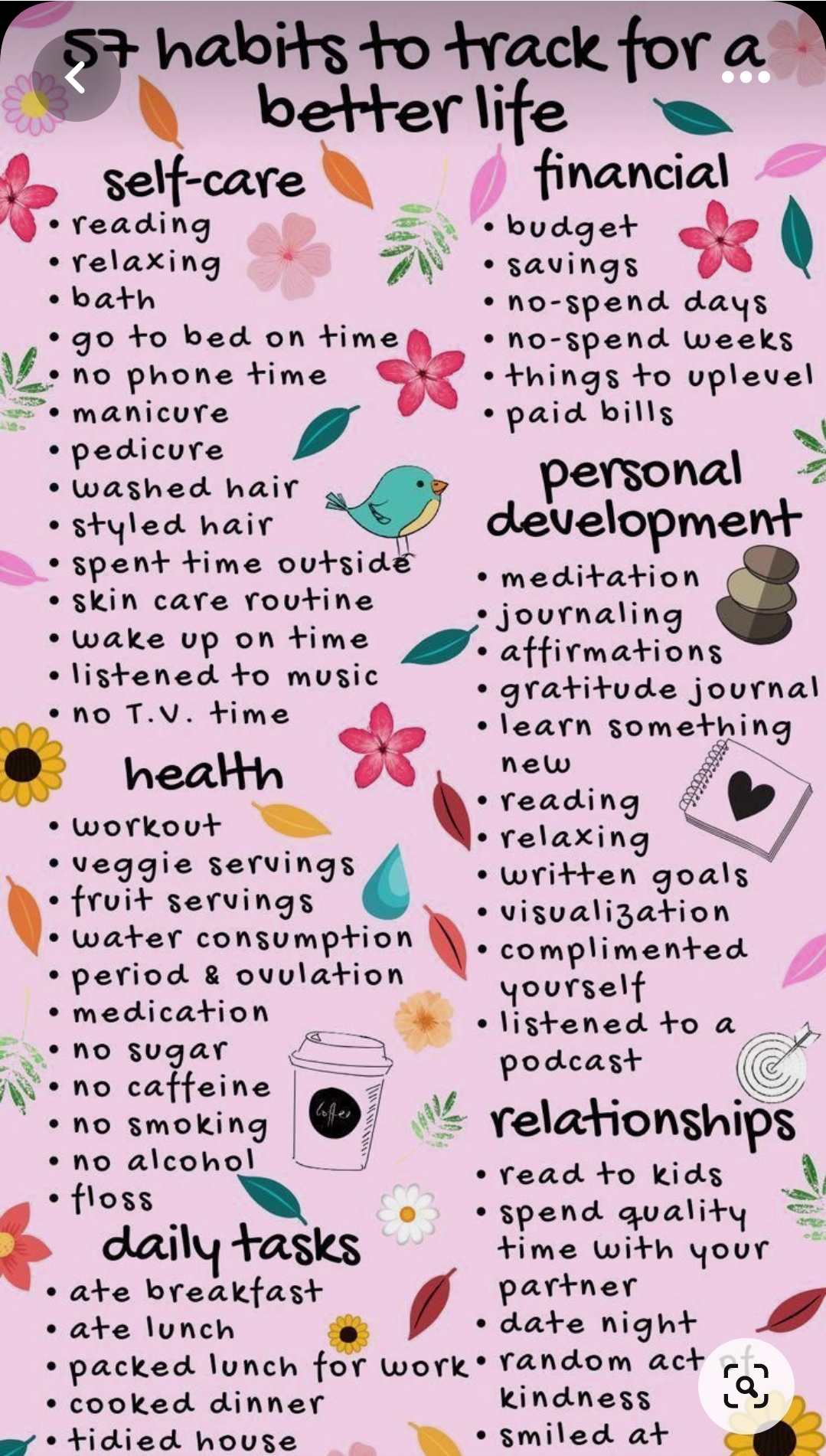
 ABC&PS
What are your thoughts about this?